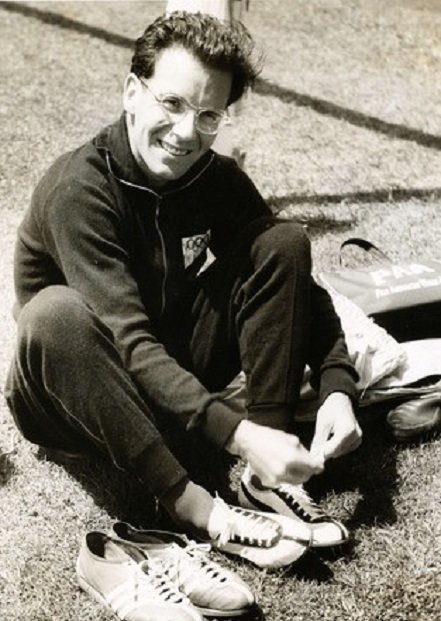
Edmar de Salles

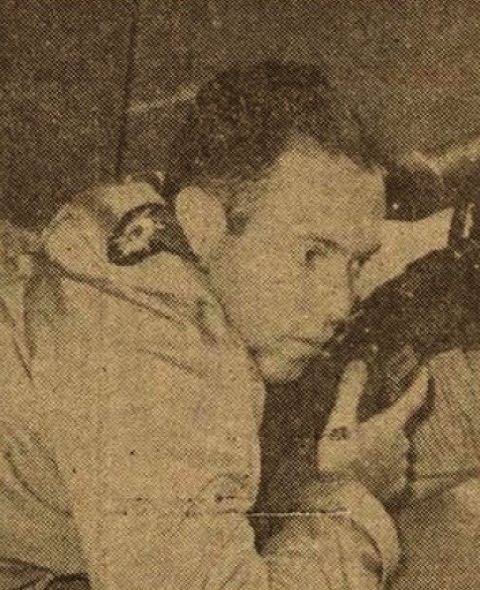
Oldest Olympians is saddened to learn that Brazilian sport shooter Edmar de Salles, born June 15, 1928, died April 14 at the age of 97. Salles represented his country in the small-bore rifle three positions and prone events at the 1968 Mexico City Games, placing 55th and 34th respectively. He had better luck at the Pan American Games, taking bronze in in the three positions team and the prone team at the 1963 and 1975 editions respectively.

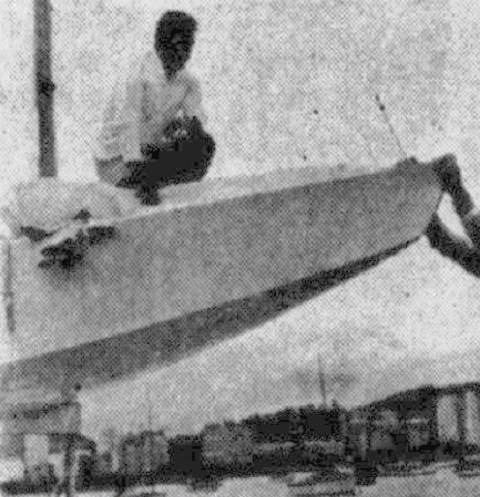
At the time of his death, Salles was the oldest living Brazilian Olympian. That distinction now goes to Harry Adler, born September 21, 1928. Adler represented his country in the Star class at the 1964 Tokyo Games, where he placed 11th. He also had better luck at the 1963 Pan American Games, as he took bronze in that event. Additionally, he won Soling class bronze at the 1974 South American Championships.

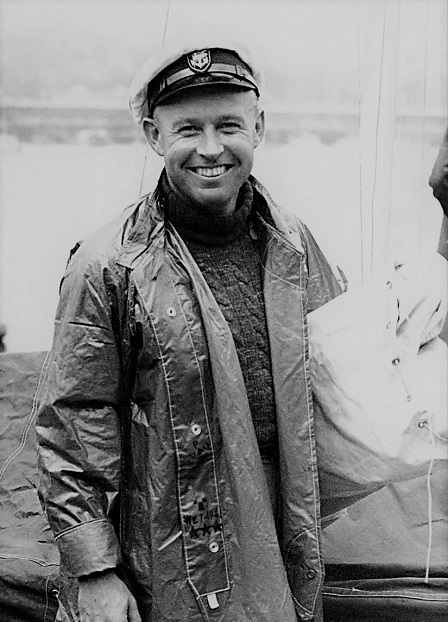
Finally, we have a small update to a previously featured Olympic mystery: Swiss sailor Alfons Oswald. A few years ago, Connor Mah was able to find a date of birth for this 1948 competitor of May 4, 1914. Thanks to his further research, we now also know that Oswald died September 19, 2005 at the age of 91.

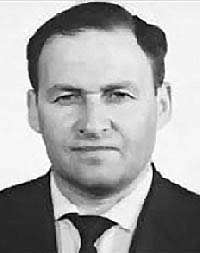
Günther Haase and Yulen Uralov

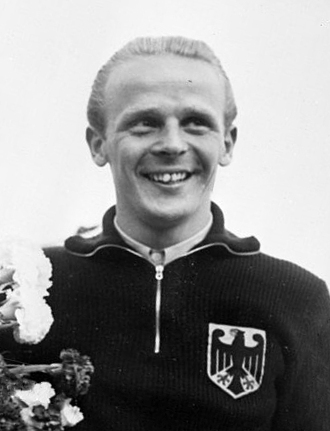
Today on Oldest Olympians, we have two updates to Olympic centenarians. First, we were hoping to wish Günther Haase a happy 101st birthday as the oldest living German Olympian. Haase represented his country at the 1952 Helsinki Olympics, where he won a bronze medal in platform diving. Two years earlier, he had won that event at the 1950 European Championships, and in total he collected eight national titles between 1943 and 1956. He later moved to the United States with his wife, also a German national champion in diving.

(Walter Konrad)

Unfortunately, we were unable to locate confirmation of his 100th birthday over the past year, and thus we have had to remove him from our tables. This leaves Walter Konrad, born July 4, 1928, as the oldest living German Olympian. Konrad represented his country in the 10,000 metres track event at the 1956 Melbourne Games, where he placed 13th. The oldest living German Olympic medalist, meanwhile, is Fritz Nachmann, born August 16, 1929. Nachmann represented (West) Germany in three luging events across two editions of the Games, 1964 and 1968, winning bronze in the doubles in 1968.

Then, Oldest Olympians was saddened to learn that Yulen Uralov, born November 23, 1924, died earlier this month at the age of 101. Uralov represented the Soviet Union in individual and team foil at the 1952 Helsinki Games, where he was eliminated in the quarter-finals and round one respectively. He was the Soviet foil champion in 1952 and 1953, and later turned to coaching.

(Ninel Krutova)

At the time of his death, Uralov was the oldest living Soviet Olympian, oldest living Olympic fencer, and oldest survivor of the 1952 Helsinki Games. The first distinction now goes to Ninel Krutova, born January 3, 1926, who represented the Soviet Union in five diving events across three editions of the Games, 1952-1960, and won bronze on the platform in 1960. The oldest living Olympic fencer is now Carmen Vall, born June 17, 1926, who was eliminated in the first round of the individual foil in 1960. Finally, the oldest survivor of the 1952 Helsinki Olympics is now Colette Fanara, born February 15, 1925, who competed in the gymnastics tournament with a best individual finish of 85th in the uneven bars.

One name that was no longer in contention for being the oldest survivor of the Helsinki Games is Korean equestrian Min Byeong-Seon, born in 1919. We had Min listed previously as possibly living, as we did not have a date of death, but thanks to Connor Mah we now know that he died December 14, 1970. In the realm of fencing, we were also able to confirm that Jacques Ben Gualid, born May 3, 1918, who represented Morocco in three events at the 1960 Rome Games, did die on May 3, 1976 in Toronto.

Latest Olympic Medal Mysteries, Part II

Today on Oldest Olympians, we are continuing our look into new Olympic missing links. These are individuals for whom we have suggestions for a date or year of death, but for whom we cannot confirm the information through reliable sources. Today, we have another four names to look into.

First we have Pakistani field hockey player Khawaja Muhammad Taqi, born in 1918. Taqi represented his country in the tournament at the 1948 London Games, where Pakistan lost the bronze medal match to the Netherlands and placed fourth. He later worked as a coach, and while Wikipedia has listed him as dying in both July 1967 and 1968, we have not found a confirmed date of death.

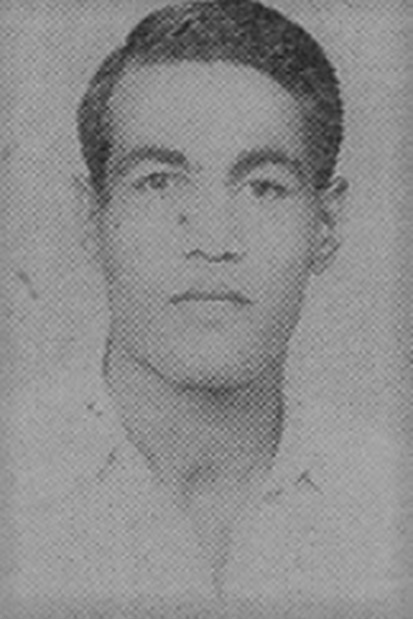
Next we have Tunisian fencer Raoul Barouch, born May 12, 1916. Barouch represented his country in the individual event of each discipline at the 1960 Rome Games, but was eliminated in the first round every time. Several versions of Wikipedia list his date of death as October 17, 2006 and his place of death as Jerusalem, but we have no reliable sources to verify these facts.

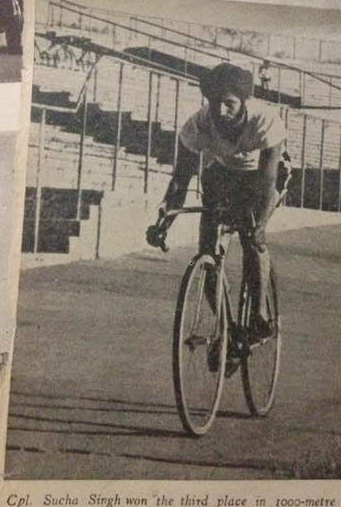
Then, we have Indian cyclist Suchha Singh, born July 21, 1933. Singh represented his country in the sprint at the 1964 Tokyo Games, where he was eliminated in the round one repêchage. He was noted as still being alive in a 2022 article, but someone added a date of death of March 20, 2023 to his Wikipedia page. Unfortunately, they did not include a source that we could check to confirm this.

Finally, we have South Korean speed skater Jo Yun-Sik, born July 24, 1931. Jo represented his country in the 500 and 1000 metres events at the 1956 Cortina d’Ampezzo Games, placing joint-34th and joint-42nd respectively. He was later involved heavily in the administration of the sport in his country, and was still alive in 2018. Korean Wikipedia has a date of death of January 28, 2020, but with no source, and we could not locate one ourselves.